



-202610121017596081271.jpg)



Download
iLearn application
Elevate Your Financial Knowledge with the
ICICI Direct iLearn App




The Sai Life Sciences IPO allotment status allows investors to find out if they received shares after applying for Sai Life Sciences Initial Public Offering (IPO). Once the IPO subscription period closes, the allotment status is usually available within a few days. Investors can check their allotment through several methods, including the registrar’s website, the Bombay Stock Exchange (BSE), or by looking at their Demat or bank account.
Investors who applied for the Sai Life Sciences IPO can expect the allotment results on Monday, December 16, 2024. If you're allotted shares, they will be credited to your Demat account, and the corresponding amount will be debited from your linked bank account. Keep an eye on your preferred method to check the status once the allotment is processed on the announced date.
The registrar's website allows you to track your application status, and you can view whether you were allotted any shares.
You will see the allotment result indicating if shares were allotted or not.
You can also log into your bank's net banking to verify any related transactions.
The blocked amount gets debited within 24hrs of shares allotment announcement and the shares are allotted to the users on the day of listing. Once the company gets listed on NSE & BSE, the shares are available for trading purposes.
The Sai Life Sciences IPO subscription status indicates the level of interest in the IPO across different investor categories. Here is the subscription breakdown:
| Subscription Day 1 (11 December, 2024) | Subscription Day 2 (12 December, 2024) | Subscription Day 3 (13 December, 2024) |
| Total Subscription: 0.85 times | Total Subscription: 1.26 times | Total Subscription: 10.27 times |
| QIBs: 2.52 times | QIBs: 3.20 times | QIBs: 29.78 times |
| Non-institutional investors: 0.16 times | Non-institutional investors: 0.60 times | Non-institutional investors: 4.99 times |
| Retail investors: 0.19 times | Retail investors: 0.43 times | Retail investors: 1.39 times |


Understand contango in commodity trading, how futures prices differ from spot prices, and how financing, storage and insurance costs influence commodity pricing.
 65 views
 1 minutes
 19 Oct 2026
Copper is a widely used base metal known for its electrical and thermal conductivity, strength, ductility and corrosion resistance. It is used across electrical wiring, construction, machinery, power infrastructure and several industrial applications.
322 views
2 minutes
09 Oct 2026
Natural Gas is a widely traded energy commodity used for electricity generation, industrial activity, heating and other applications. Its prices can react sharply to weather, supply and demand, inventories, global energy markets and geopolitical developments.
546 views
1 minutes
30 Sep 2026

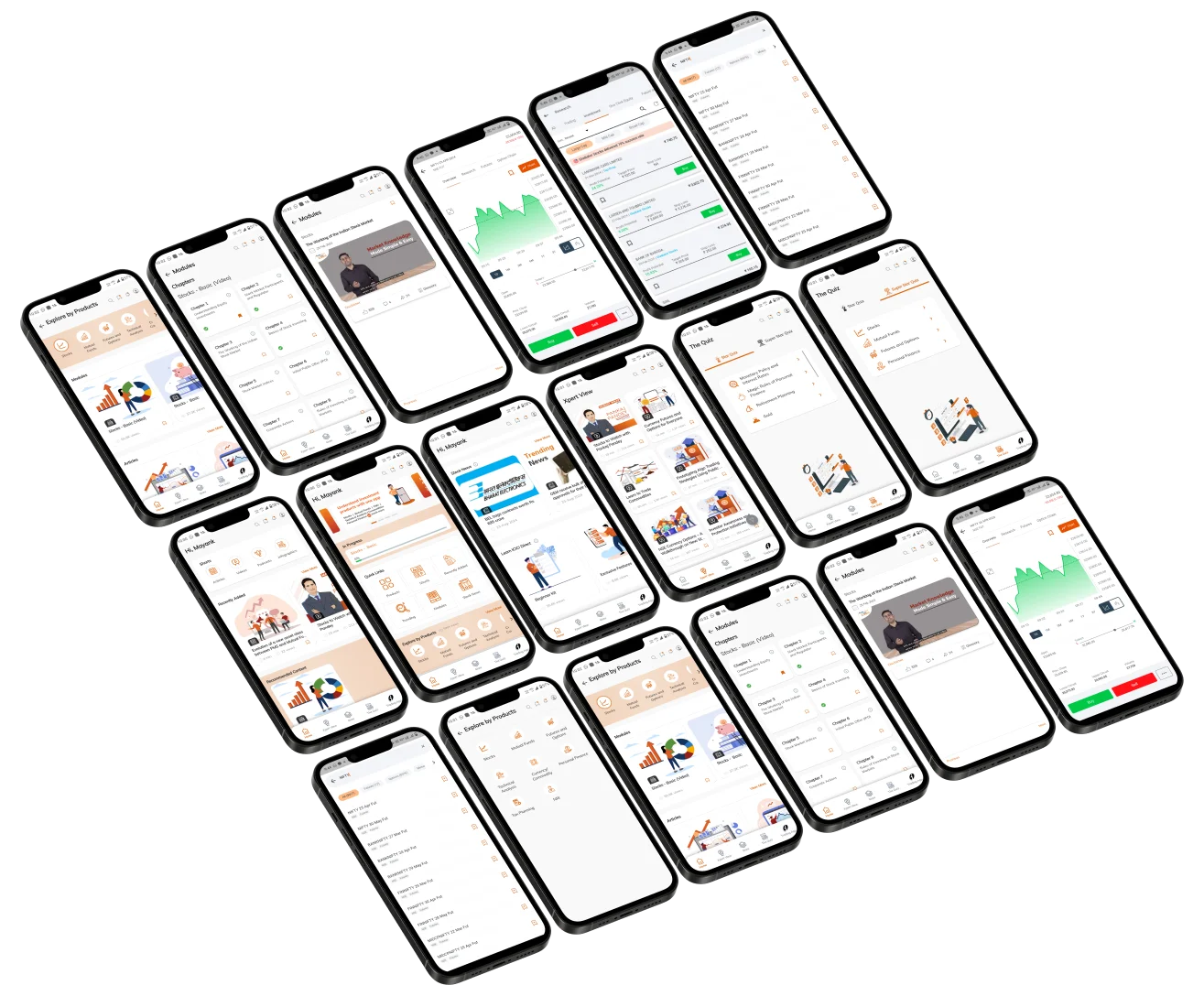
Elevate Your Financial Knowledge with the
ICICI Direct iLearn App
Elevate Your Financial Knowledge with the
ICICI Direct iLearn App
